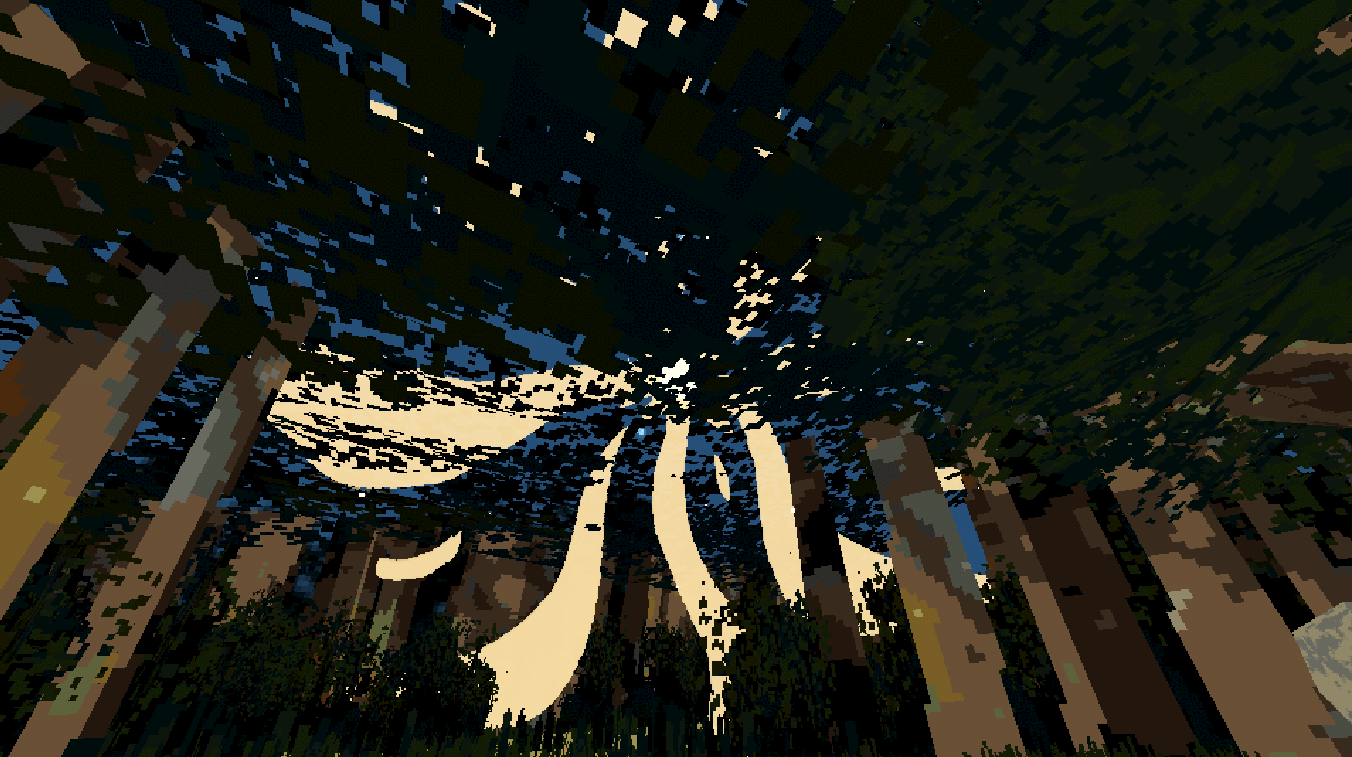
I released my first game! It’s a logical deduction game called “one stole sun” open_in_new and it’s available for free on itch.io.
Above all else, my objective with this project was to release a game. I had to prove to myself that I could do it. I’ve started trying to learn Unity many times in the past, and even during this latest round of effort, I started three or four different games. I realized each time that in order to have any chance of getting something out into the world, I needed to downscope, until I eventually reached something that barely even felt like a game, and thank god I did. I learned so much so quickly that decisions I made even just one week earlier became albatrosses of bizarre architecture and bad code hanging around my neck. I am immeasurably proud of having finished this game, and if I ever have to touch the project file again I will throw an absolute fit. I still see a lot that could be improved, but ultimately this project has served its purpose and I know I’ll be better served by moving forward with my next idea/learning opportunity rather than chasing diminishing returns on on this one.
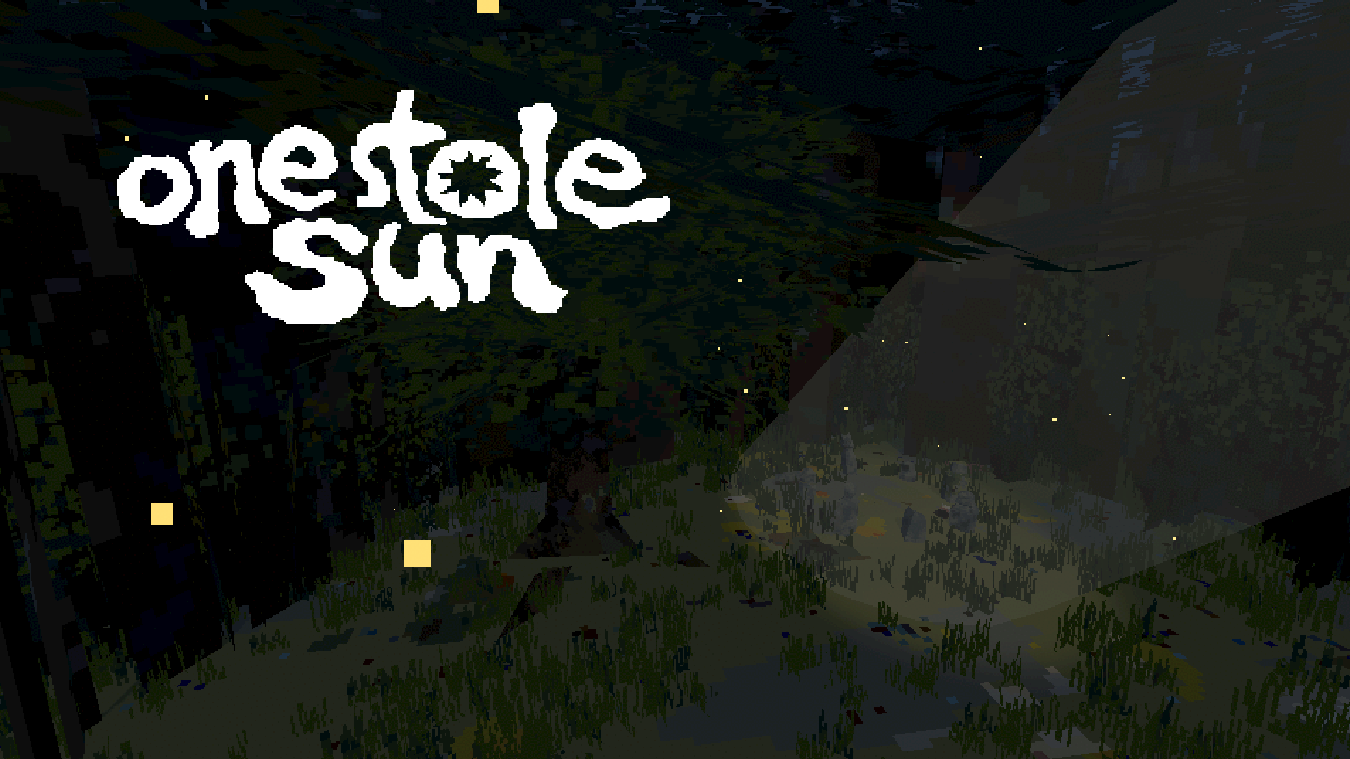
If there’s a lesson I’ve learned five or six times in my life now, it’s that sometimes the only way to really internalize advice is to live it. For a long time I balked at the advice to make small games. Psh! I didn’t want to make a bunch of games I didn’t care about just to “do the time” until I could make the One Game I envisioned. I was going to be the exception. I would simply work harder and be more disciplined than all those other people. Those of you who know me in real life may be thinking that “working harder and being more disciplined than everyone else” does not sound in line with my character, and you would be correct.
So, what to do? Well, I had to figure out how to care about small games. I had to let go of the idea that there was only One Specific Game that would be fun for me to make and instead foster genuine curiosity about game development as a whole. Not that I expect anyone to internalize this advice without going through the process themselves, but now I really get why you have to start with small games. It turns out big games are just 3 to 500 small games in a trenchcoat.
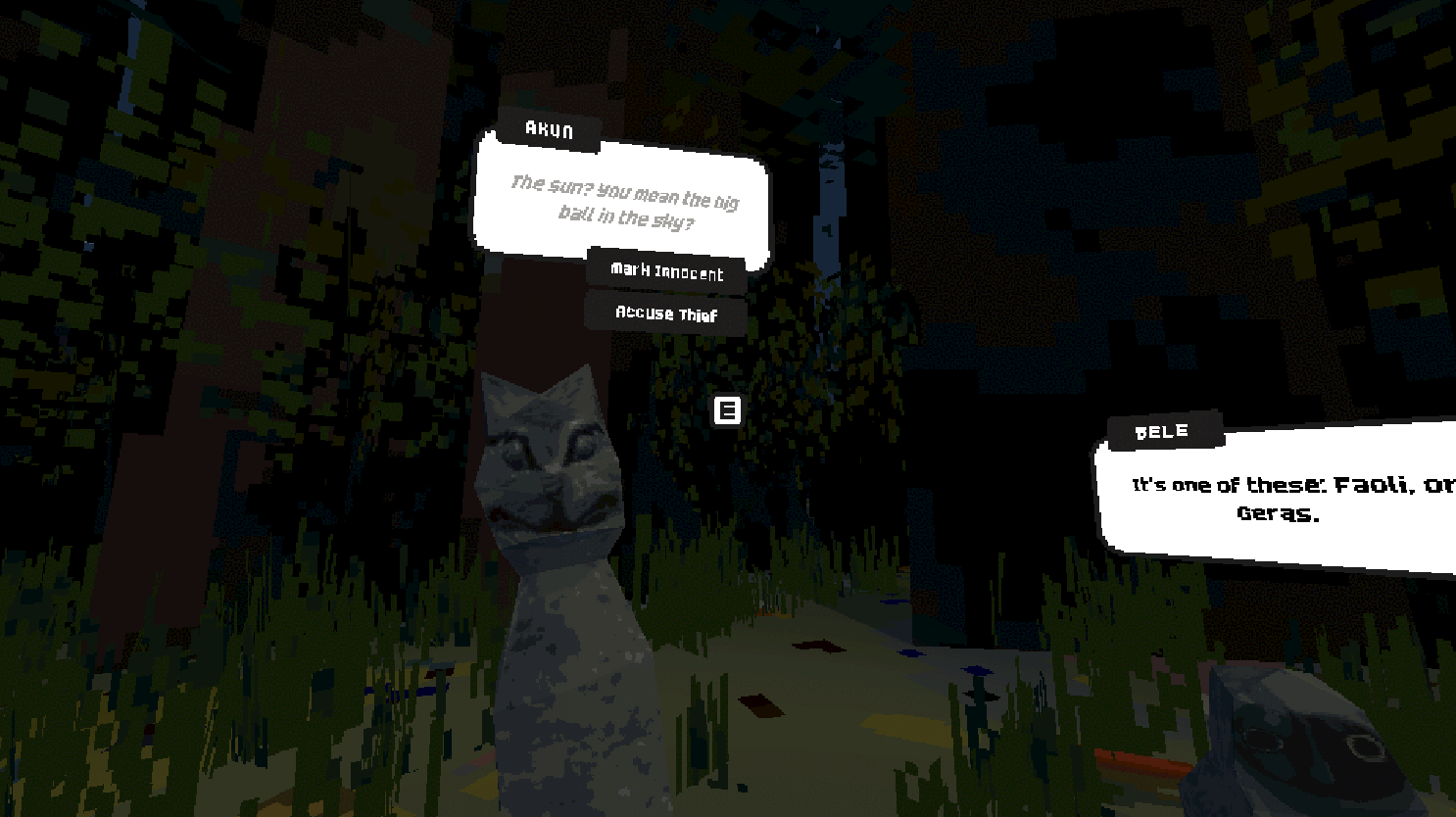
As a bonus, I made a puzzle generation algorithm because there was no way I was smart enough to just come up with valid ones on my own. Not that I’m smart enough to write a Python algorithm entirely on my own either—I did a lot of troubleshooting with Claude AI. It doesn’t live in the game (it is NOT efficient) and I won’t talk too much about it because I’m still deciding how I feel about integrating AI into my workflow, but it did the trick and I’m pleased with the outcome.
I hope you play it and enjoy it! The gameplay was inspired by Sam’s Clues open_in_new , and the environment was inspired by CARIMARA: Beneath the forlorn limbs open_in_new . Highly recommend both!